

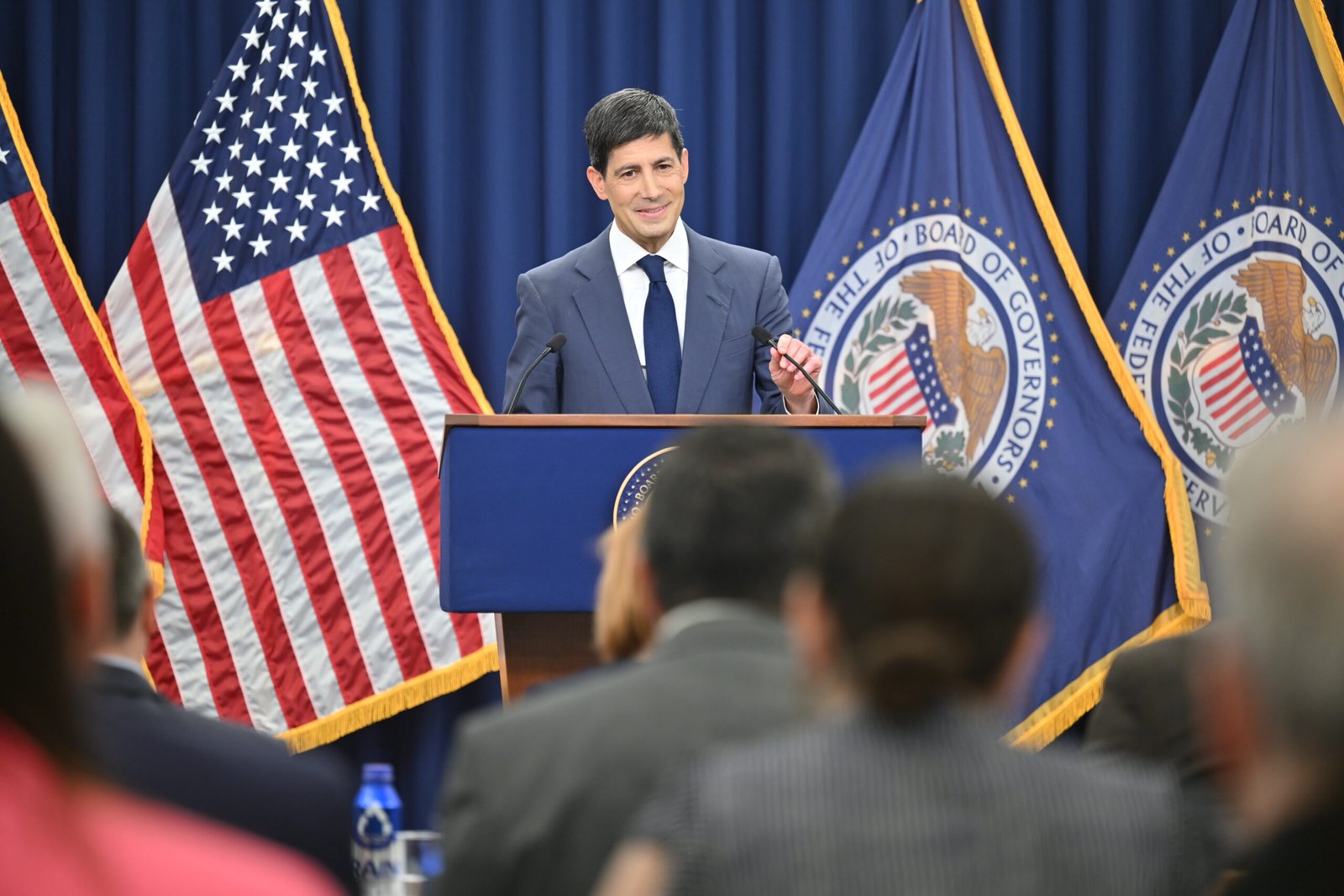
The Federal Reserve raised interest rates a quarter point Wednesday, its first hike since 2023, in an effort to quell stubbornly high inflation.
The move might draw a sharp response from the Trump administration, given Trump’s call for lower rates just days ago.
New federal funds target range: 3.75% to 4%. Mortgages, auto loans, credit cards — borrowing costs on all three could gradually creep up from here.
The New quarterly forecasts released alongside the decision show the rate-setting committee expects one more increase before year-end, to 4.1%.
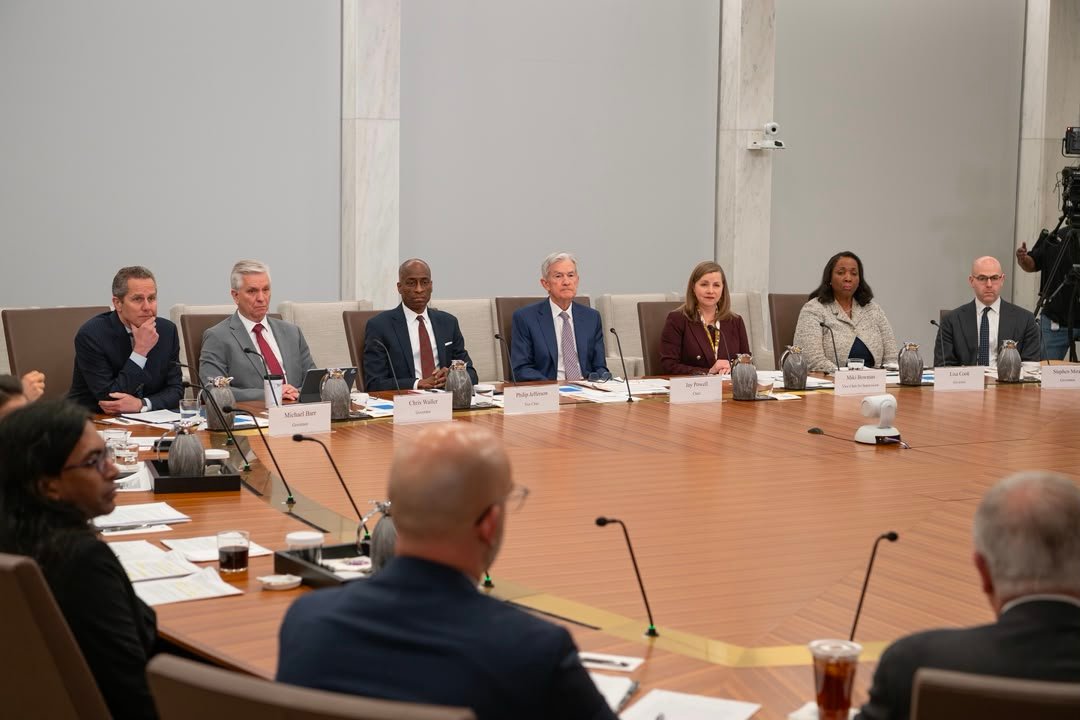
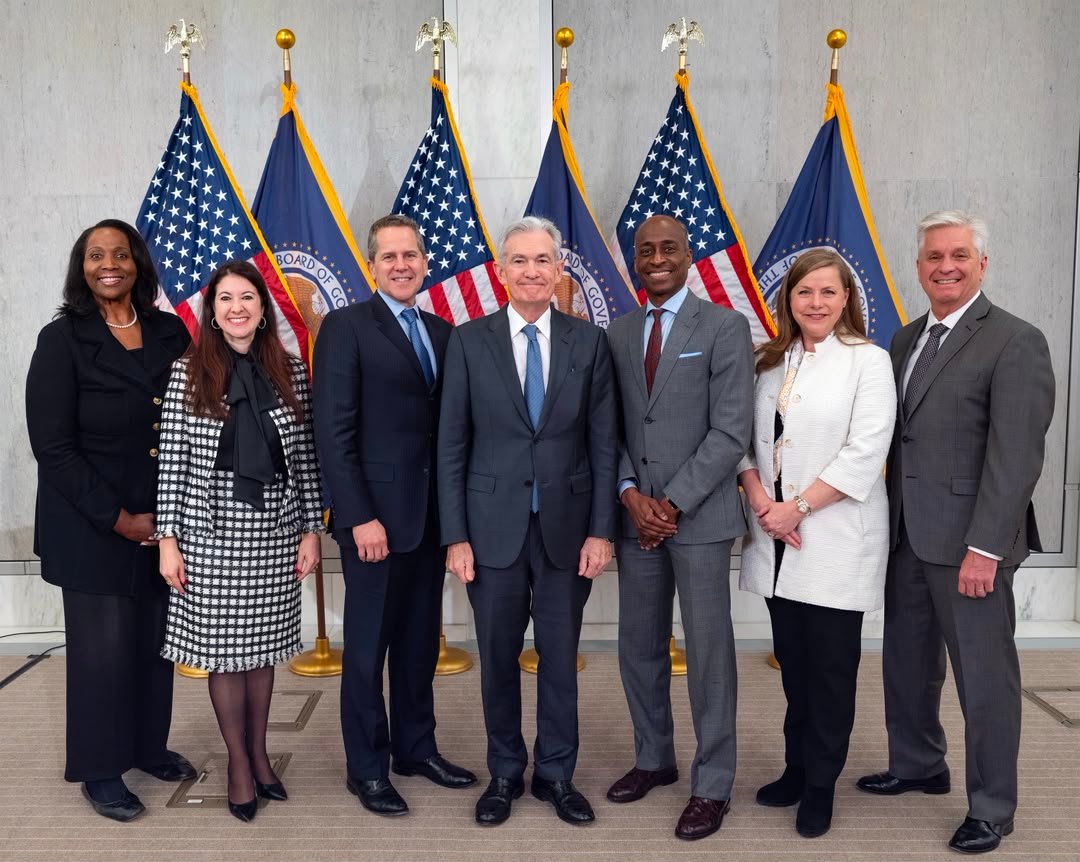
Every member of the Federal Open Market Committee backed the move — a 12-0 vote.
The committee said the decision supported its dual mandate while it continued to maintain ample reserves in the banking system.
Economic activity, by the Fed’s account, continued to expand at a solid pace, with domestic spending remaining resilient even as uncertainty stayed elevated in part because of geopolitical developments.
Productivity growth was strong and capital investment was robust, while job gains had kept pace with the workforce and unemployment had changed little.
“Inflation remains elevated. Today’s policy action will support a timelier return to the Committee’s 2 percent goal. The Committee will deliver price stability,” the Federal Reserve said in its statement.
Consumer prices rose 0.4% in August, according to the latest Consumer Price Index report, released last week, after climbing 0.1% in July. Prices were 3.4% higher than a year earlier, while the index excluding food and energy rose 2.4%.
Energy prices were up 16.3% over the year; shelter climbed 3%.
At 4.1%, that’s where Fed officials expect the median federal funds rate to land by the end of 2026 — above the 3.875% midpoint of the new target range.
The projection reflects individual officials’ assessments of the appropriate policy rate rather than a commitment to a specific future decision.
Growth, inflation, unemployment: the committee’s 2026 projections put real GDP growth at 2.3% and unemployment at 4.1%. Inflation measured by personal consumption expenditures was projected at 3.7%, core PCE at 3.4%. Further out, the median PCE inflation projection eases to 2.3% in 2027, 2.1% in 2028, and 2% in 2029.
President Donald Trump had called for lower interest rates before the decision.
Trump said in a Truth Social post Friday that the United States should have the world’s lowest interest rates because the country is “a much stronger credit than it was just a short time ago.”
“LOWER THE RATE OR I’LL STOP TRADING WITH COUNTRIES WITH WHICH WE HAVE A DEFICIT,” Trump wrote, arguing that the Supreme Court had recognized a president’s “absolute right” to do so and that cutting off trade would be “BETTER THAN TARIFFS.”.
“The Fed Board, with its great new leader, must get smart – BE PATRIOTS for a change. High interest rates put the U.S.A. at a very unfair disadvantage, and I won’t allow that to happen!” Trump added.
The new range takes effect Thursday, with the New York Fed’s Open Market Desk will conduct operations to keep the rate within it. The Board also raised the primary credit rate to 4% and the interest rate on reserve balances to 3.90%, both effective the same day.