


WASHINGTON, Nov 6 – U.S. employers added 165,000 jobs in October, far above the 65,000 projected by financial expers, while the unemployment rate edged down to 4.1% from 4.2% in September.
The surprise came after a prolonged period of weak hiring and just three days after the Nov. 3 midterm elections, in which voters slapped a win on the face of Trump and his Republican Party by handing Democrats control of Congress amid widespread concern over their living costs.
Additionally, it gave the incoming Democratic Congress a stronger employment picture than recent analysts had suggested.
In October, employers added 165,000 jobs. That is more than three times the average of 48,000 jobs added each month over the past year. The Labor Department also raised its number for August by 53,000, to 186,000 jobs.

September’s number, meanwhile, also went up. Together with August’s revision, that is 84,000 more jobs than first reported. The average for the last three months is now 137,000 jobs.
“I guess the Fed was right to upgrade its economic assessment from solid to strong, at least based on the October employment report,” Brian Jacobsen, chief economic strategist at Annex Wealth Management, said.
The headline number blew the consensus out of the water by 100,000. The back-month revisions added 84,000 more jobs,” Jacobsen added.


Average hourly earnings rose 0.4% in October, marking the largest monthly increase since January.
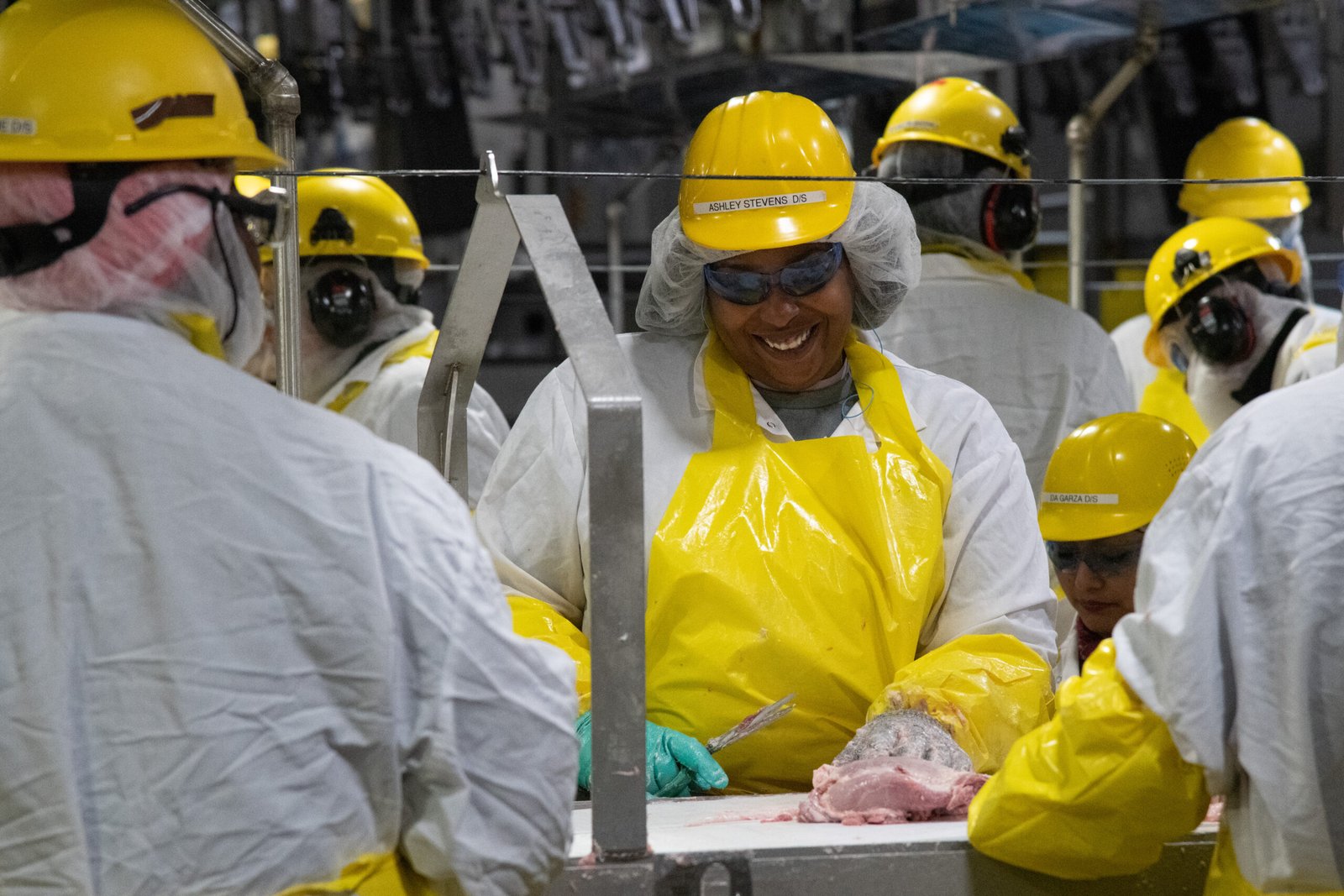
Professional and business services drove October’s hiring surge, adding 70,000 jobs, nearly five times the sector’s average monthly gain over the previous year.
Health had added 42,000 jobs, particularly in hospitals and home health care, while transportation and warehousing gained 25,000, led by courier services. Manufacturing at about19,000 jobs, totalling it a 101,000 from Last year.

October brought lots of jobs. That may push the Fed to raise rates. People are working, but prices are still going up, and that is now the bigger worry.
The strong jobs report has also now strengthened bets on a December hike, because a hot labor market can keep inflation pressures alive.
With the new data, traders on Wall Street now see a nearly 75% chance of a quarter-point increase at the Federal Reserve’s December 8–9 meeting, up from 66.9% a day earlier, according to CME FedWatch. That move would make borrowing more expensive and slow spending.
But the nuisance is, October’s jobs surge barely moved the bigger picture. The jobless rate edged down to 4.1% from 4.2% in September, remaining within the same narrow range since March. About 7.1 million people remained unemployed.
Actually, more people found work, but the share of the population employed and the labour-force participation rate barely changed.
With 165,000 jobs added. That number also depends on how many people are able to work, because, With immigration slowing and the workforce aging, the economy may now need fewer than 20,000 new jobs a month to keep unemployment steady — down from more than 150,000 in 2024, according to Yale University’s Budget Lab.
Unemployment fell a little but stayed between 4.1% and 4.3%, where it has been since March. About 7.1 million people were without jobs.
Employment rose by 463,000 from September, while the number of people without jobs dropped by 41,000. But, the share of people working or looking for work was 61.9%, while people with jobs was 59.3%. Both have barely changed since January.
The stronger U.S. jobs report has raised expectations of higher interest rates, potentially increasing borrowing costs worldwide. Meanwhile, as Trump and his administration remain engaged in the Middle East conflict, disruptions to energy and fertilizer supplies have driven up costs, adding pressure on governments to increase military spending and provide relief to households.