Seven people were killed and
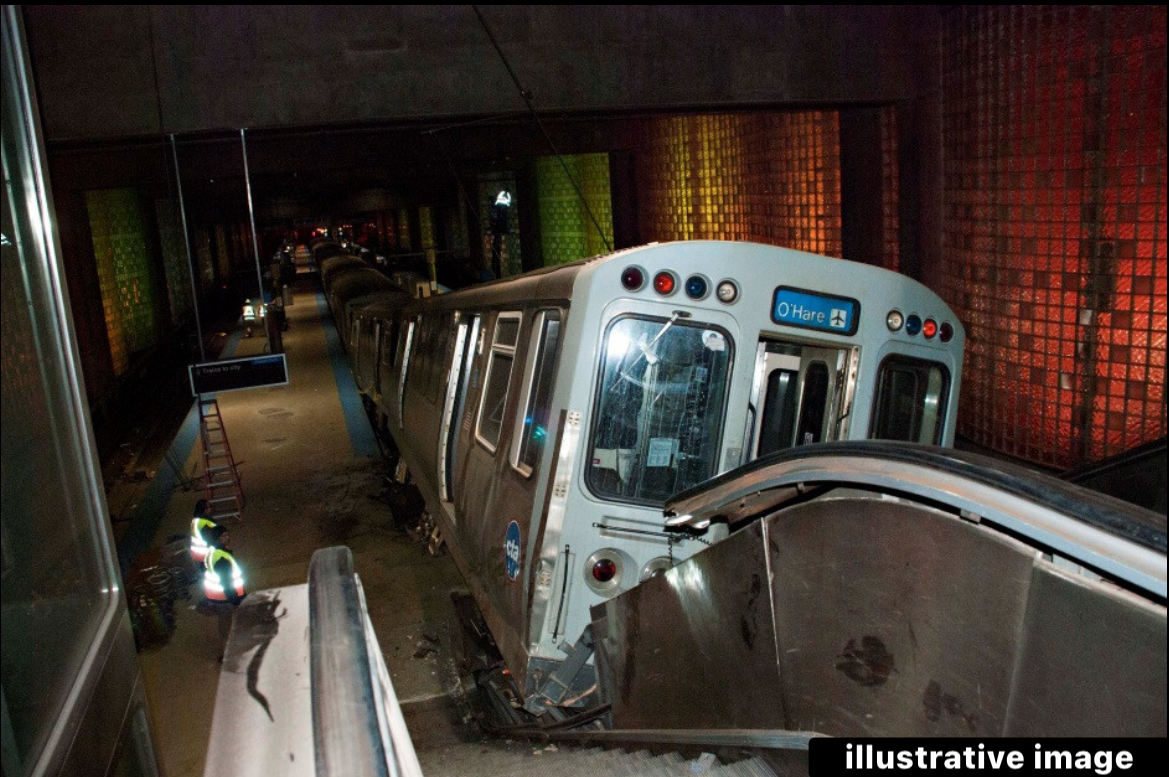
125 injured on Sunday when a Fayoum-bound train struck the rear of a Cairo-Aswan train in al-Ayyat, Giza Governorate, causing carriages to leave the track.
The incident involved Train No. 134, going from Giza to Fayoum, and Train No. 2010, operating from Cairo to Aswan, between Kafr Ammar and Raqqa stations, according to the National Authority for Egyptian Railways.
Seven people have been killed and 112 injured after two passenger trains collided and derailed in Giza’s El-Ayyat district, according to Egypt’s Ministry of Health. Emergency teams were deployed to rescue passengers and clear the wreckage. https://t.co/TJsD1wmBrC
— Al Jazeera English (@AJEnglish) November 8, 2026
Egypt Health Minister, Khaled Abdel Ghaffar, had previously reported four people dead and 88 injured, with its new figure putting the number at about 7 dead and 112 injured.
But, its most recent figure has raised the toll to 125 injured and 7 dead, in which 71 people injured have been discharged, with 43 still remaining hospitalized.
🇪🇬 UPDATE: Video shows the aftermath of the Cairo-to-Aswan train incident. As many as 150 people may have been injured after four carriages overturned in Egypt’s Al-Ayat, emergency sources say. https://t.co/nECpu4DD0M
— NewsForce (@Newsforce) November 8, 2026
Hospitals received 132 cases in total, including the 7 deaths, after 72 ambulances took part in transport and evacuation.
El-Wasta Central Hospital has been said received 87 cases, including 3 deaths, El-Ayyat Central Hospital with 34 cases, and Atfih Central Hospital received 11 cases, including 4 deaths.
تحديث.. الصحة: ارتفاع أعداد مصابي حادث قطار العياط لـ112 مصابًا و7 وفيات.. وخروج 45 مصابًا بعد تحسن حالتهم The 71 people who have left the hospital were said to be discharged after their condition improved, including 61 from El-Wasta and 10 from El-Ayyat, while 11 cases were transferred to Beni Suef University Hospital and Beni Suef Specialized Hospital. 43 remain under medical observation, including 23 at El-Ayyat, 13 at El-Wasta and 7 at Atfih. Injuries range from bruises and abrasions, including fractures, head and face lacerations, and chest injuries, and all underwent the necessary scans and tests on arrival. Among those injured, about 45 have been discharged, seven more are expected to be discharged, and the rest remain under medical observation. Health Minister Khaled Abdel Ghaffar has ordered health facilities in Giza and Beni Suef governorates to raise preparedness and provide all necessary medical and emergency support, to ease the situation. After the accident, rescue teams reached the site to assist the injured, while railway crews sent cranes to clear the damaged carriages and work to restore movement on the Cairo–Sadd High Line in both directions. President Abdel Fattah el-Sisi, in a statement on X, has directed the state’s agencies to provide the necessary medical care, and has since ordered an investigation into the circumstances of the collision and further called for accountability for anyone found negligent. “I am following the aftermath of the train collision with great concern and extend my deepest condolences to the families of those who lost their lives, along with my sincere wishes for a speedy recovery for the injured,” el-Sisi added. The latest crash follows an earlier rear-end collision near Kafr Ammar in October 2009, where a train struck an animal on the tracks and was subsequently hit from behind by another train. The collision derailed carriages and caused 18 people’s deaths with 39 injured, according to Egypt’s Health Ministry. Al-Ayyat district was the site of Egypt’s deadliest railway disaster in February 2002, when fire swept through an overcrowded passenger train travelling south from Cairo. Reports first put the number at about 373 at the time, with the International Federation of Red Cross and Red Crescent Societies later reported 377 deaths and more than 200 injuries. In a separate Sep 2016, a derailment near Balida, killed five people and injured 27. More recently, in Sep this year, two freight trains collided in the Al-Ayyat district. A railway worker and his assistant were reportedly injured, plus a locomotive and two wagons derailed. At the moment, the cause of the collision has not been publicly established. واصل وزير الصحة والسكان الدكتور خالد عبدالغفار، متابعته عن كثب للتداعيات الصحية لحادث انقلاب عدد من عربات قطار الركاب، الذي وقع على طريق «القاهرة – أسوان» الزراعي أ مشاركت 72 سيارة إسعاف في عمليات النقل والإخلاء، فيما ارتفع إجمالي عدد المصابين إلى 112 مصابًا، تم نقل 72 منهم إلى مستشفى الواسطى المركزي، و33 إلى مستشفى العياط المركزي، و7 مصابين إلى مستشفى أطفيح المركزي، فيما بلغ عدد الوفيات 7 حالات، منها 3 بمستشفى الواسطى المركزي، و4 بمستشفى أطفيح المركزي، وجميعها تحت تصرف النيابة العامة وأوضحت الوزارة أن الإصابات تنوعت بين كدمات وسحجات متفرقة، وهي الأكثر شيوعًا بين المصابين، وكسور بالأطراف والحوض والفقرات، وجروح قطعية بالرأس والوجه، وكدمات بالصدر والضلوع، حيث خضع جميع المصابين للأشعات والفحوصات اللازمة فور وصولهم، وتلقوا الرعاية الطبية المطلوبة وفق حالة كل منهم وأشارت الوزارة إلى خروج 45 مصابًا من المستشفيات بعد تحسن حالتهم الصحية وتلقيهم العلاج اللازم، فيما يوجد 7 مصابين آخرين مرشحين للخروج، بينما يستكمل باقي المصابين تلقي العلاج تحت الملاحظة الطبية وتؤكد وزارة الصحة والسكان استمرار المتابعة الدقيقة للحالة الصحية للمصابين، وتوفير الرعاية الطبية الكاملة لهم، متقدمةً بخالص العزاء والمواساة إلى أسر الضحايا، متمنيةً للمصابين الشفاء العاجل
— وزارة الصحة والسكان المصرية (@mohpegypt) November 8, 2026
The 71 people who have left the hospital were said to be discharged after their condition improved, including 61 from El-Wasta and 10 from El-Ayyat, while 11 cases were transferred to Beni Suef University Hospital and Beni Suef Specialized Hospital.
43 remain under medical observation, including 23 at El-Ayyat, 13 at El-Wasta and 7 at Atfih.
Injuries range from bruises and abrasions, including fractures, head and face lacerations, and chest injuries, and all underwent the necessary scans and tests on arrival.
Among those injured, about 45 have been discharged, seven more are expected to be discharged, and the rest remain under medical observation.
Health Minister Khaled Abdel Ghaffar has ordered health facilities in Giza and Beni Suef governorates to raise preparedness and provide all necessary medical and emergency support, to ease the situation.
After the accident, rescue teams reached the site to assist the injured, while railway crews sent cranes to clear the damaged carriages and work to restore movement on the Cairo–Sadd High Line in both directions.
President Abdel Fattah el-Sisi, in a statement on X, has directed the state’s agencies to provide the necessary medical care, and has since ordered an investigation into the circumstances of the collision and further called for accountability for anyone found negligent.
Four people were killed and 88 others injured after two passenger trains collided in Al-Ayyat, in Egypt’s Giza Governorate, on Sunday, according to the Health Ministry. The collision involved a train travelling from Giza to Fayoum and another heading from Cairo to Aswan, Egyptian National Railways said. The impact caused several carriages to derail. Emergency services rushed to the scene, with 72 ambulances deployed to transport the injured to hospitals. Civil defence teams also took part in rescue and evacuation efforts. #HespressEng #Egypt #TrainCollision #Giza #CMH
— Hespress English (@HespressEnglish) November 8, 2026
“I am following the aftermath of the train collision with great concern and extend my deepest condolences to the families of those who lost their lives, along with my sincere wishes for a speedy recovery for the injured,” el-Sisi added.
The latest crash follows an earlier rear-end collision near Kafr Ammar in October 2009, where a train struck an animal on the tracks and was subsequently hit from behind by another train. The collision derailed carriages and caused 18 people’s deaths with 39 injured, according to Egypt’s Health Ministry.
Al-Ayyat district was the site of Egypt’s deadliest railway disaster in February 2002, when fire swept through an overcrowded passenger train travelling south from Cairo. Reports first put the number at about 373 at the time, with the International Federation of Red Cross and Red Crescent Societies later reported 377 deaths and more than 200 injuries.
In a separate Sep 2016, a derailment near Balida, killed five people and injured 27.
More recently, in Sep this year, two freight trains collided in the Al-Ayyat district. A railway worker and his assistant were reportedly injured, plus a locomotive and two wagons derailed.
At the moment, the cause of the collision has not been publicly established.