
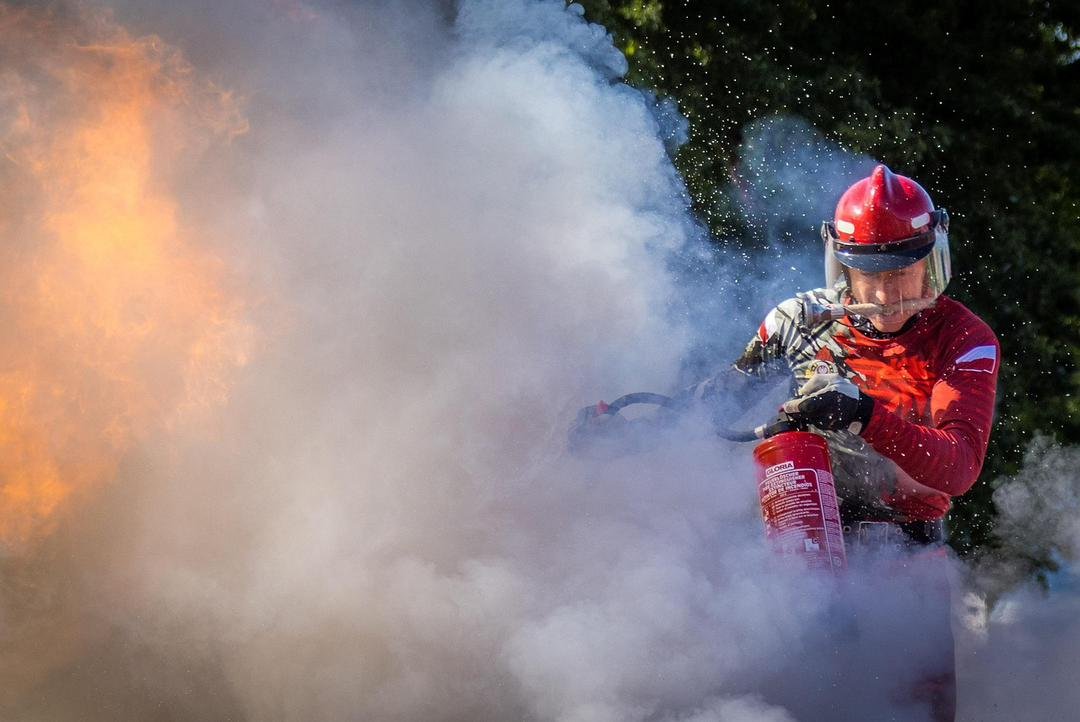
France’s worst wildfire season on record has driven hundreds of thousands from their homes, with blaze tearing through communities across the southwest and Mediterranean coast.
Active blazes persist in Gironde, Landes, Var and Corsica, and the ground already burned has outrun any previous year on record.
The crisis has also become a financial test.
With firefighters still battling active blazes, insurers, ratings agencies and regulators, are watching closely whether Europe’s insurance system can match a wildfire risk that climate change is pushing beyond its traditional boundaries.
Since late July, nearly 117,000 hectares have burned across France, government figures show.
The largest blaze, around Saumos and the Cap Ferret peninsula in Gironde, has burnt about 42,000 hectares and damage reaching 277 buildings.
At one point, the fire front came within roughly 15 kilometres of Bordeaux, raising fears that losses could escalate, if the blaze reached densely populated residential and commercial districts.
That possibility shifts fear beyond the destruction. It sharpens concerns over whether these fires could expose the gap between climate driven disaster losses and the far smaller share insurance ultimately covers.
For insurers, the immediate question is whether current losses are large enough to shake the industry’s financial strength.
Insured losses would need to top roughly €2 billion across France and Spain before they start cutting into insurers’ 2026 earnings, according to Fitch Ratings.
Most diversified insurers entered the summer with catastrophe budgets largely untouched.
The first half of the year had stayed quiet, and that quiet is doing work now.
French non-life insurers reported a 95.3% combined ratio last year and an aggregate Solvency II ratio of 299%. A figures Morningstar DBRS said provide a meaningful buffer against the current wildfires, without lasting scars.
The greater uncertainty is how the fires develop from here.
Insured losses depend less on how many hectares burn than, than whether flames reach populated residential or commercial districts, Morningstar DBRS said.
Land burned so far are forest or rural property, that often carries no insurance at all.
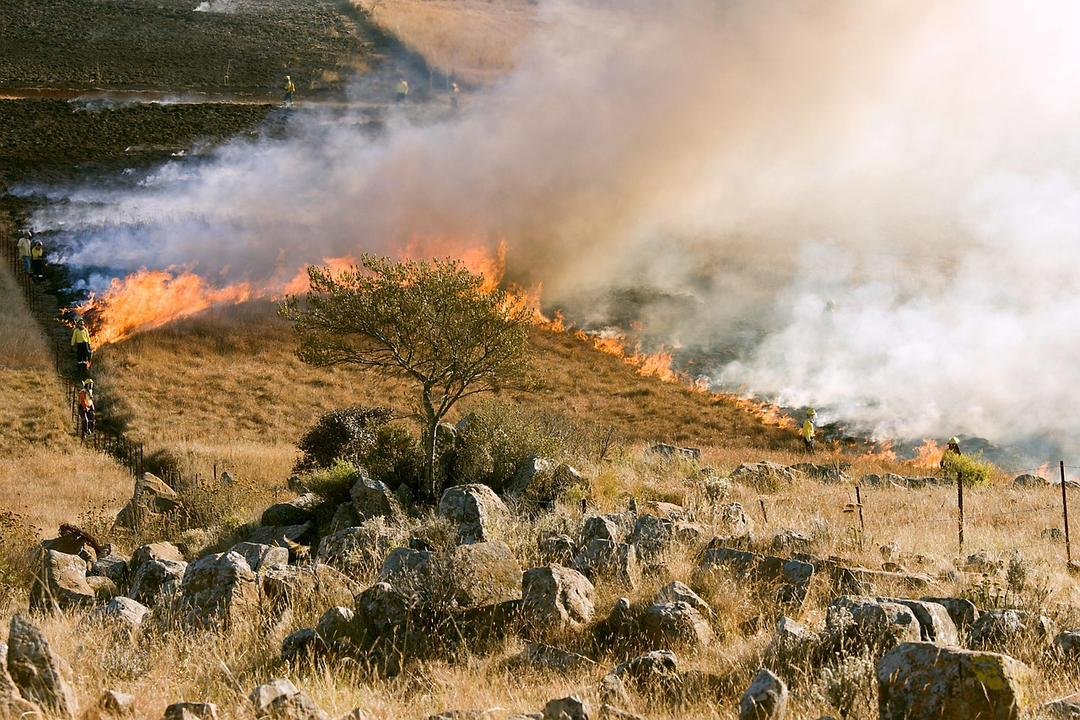
the Gironde fire’s spread toward Bordeaux has thrust concern over claims involving homes, tourism businesses, vineyards and business interruption losses during the peak summer season.
Fitch Ratings pointed to the January 2025 Los Angeles fires, where urban blazes tore through more than 10,000 homes and left $40 billion in insured losses in their wake, the costliest fire event on record.
France and Spain have an advantage California did not have, less combustible housing stock, which lowers the likelihood of a repeat on that scale, Morningstar DBRS noted.
The warning stands. Should the current fires push into suburban communities around Bordeaux or other major population centres, the financial outlook could shift fast.
That uncertainty has not stopped insurers from moving.
Support for affected policyholders is already underway, even though the full scale of losses is still being assessed.
France Assureurs announced on 27 July that insurers would extend the five-day claims reporting deadline until 31 August for people affected by the Gironde, Landes and Var wildfires.
The move also includes up to three weeks of evacuation-related accommodation costs for residents forced to leave their homes.
This applies regardless of whether those homes ultimately suffered damage or not.
Companies have reinforced claims units and told loss adjusters to speed up property evaluations once emergency services open the affected areas.
Insurers meanwhile, can only pay households and businesses that already hold cover. That leaves much of the wider economic damage outside the insurance system.
That reality has pulled fresh attention to what European regulators call the continent’s growing climate insurance protection gap, a structural weakness the French fires have now thrown into sharp concern.
On behalf of all insurers, I would like to express our deep solidarity and support to all those who have been suddenly torn away from their daily lives, who have sometimes lost everything or who are living with anxiety about what they will find when they return,” France Assureurs president Florence Lustman said.
She added that “in this exceptional situation, our priority is to provide rapid and concrete responses.”