
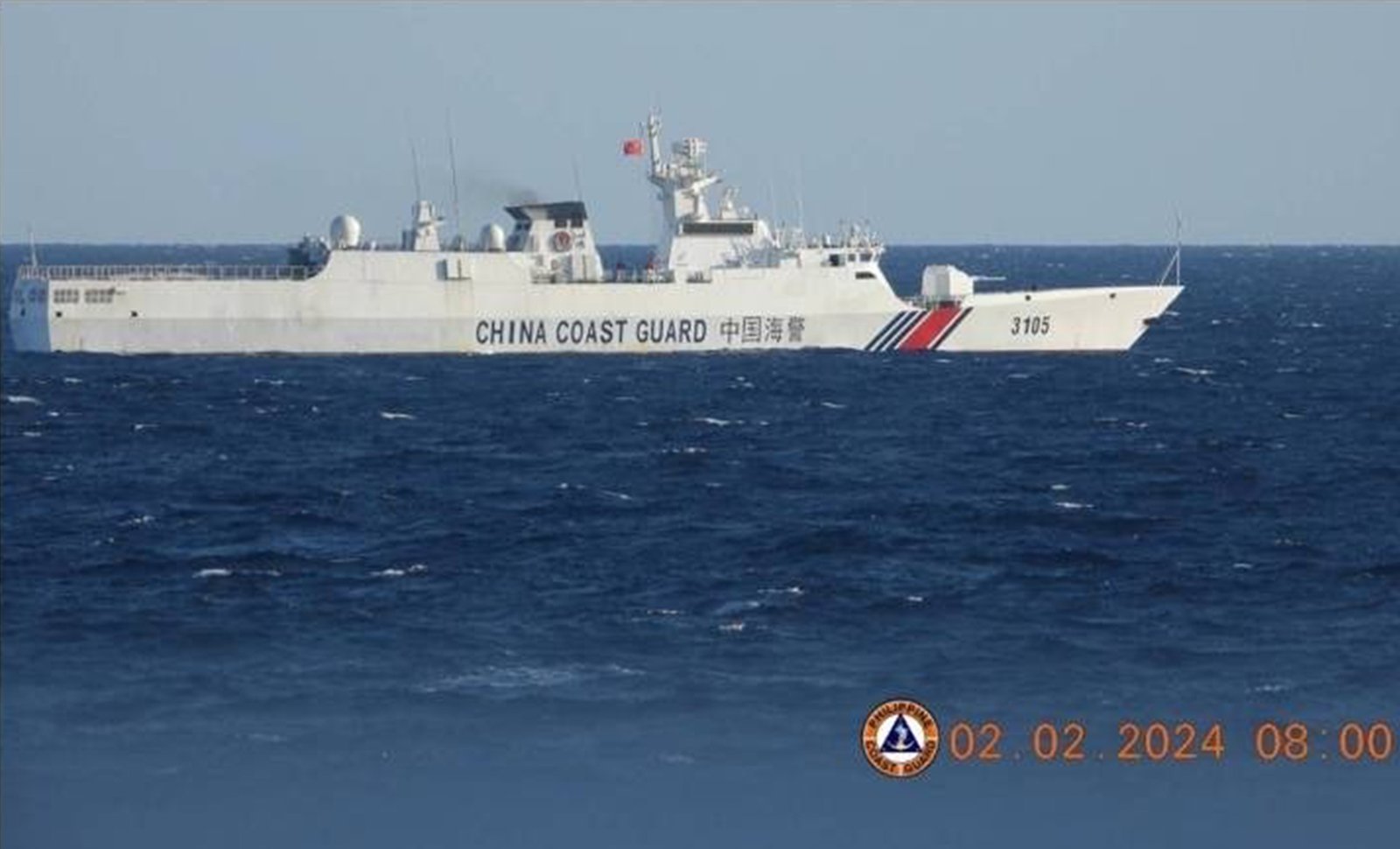
MANILA — Ten years after an international tribunal handed the Philippines a landmark legal victory in the South China Sea, many of the Filipino fishermen the ruling was supposed to protect and favor say little has changed.
Two fishermen who have worked Scarborough Shoal for decades described a familiar reality. Chinese vessels blocking their access to fishing grounds their families have relied on for generations.
“They took away our right to fish,” one fisherman told Reuters.
Another, who has spent much of his life fishing near the shoal, put it more bluntly. The ruling, he told Reuters, “doesn’t feel like a victory to me.”
Philippine officials marked the anniversary in July with diplomatic ceremonies and renewed support for the 2016 ruling. the country’s fishermen say the decision has yet to deliver the freedom they had hoped for.
Scarborough Shoal — known in the Philippines as Bajo de Masinloc or Panatag Shoal — located about 120 nautical miles off Zambales province, and has long sustained fishing communities on Luzon’s western seaboard.
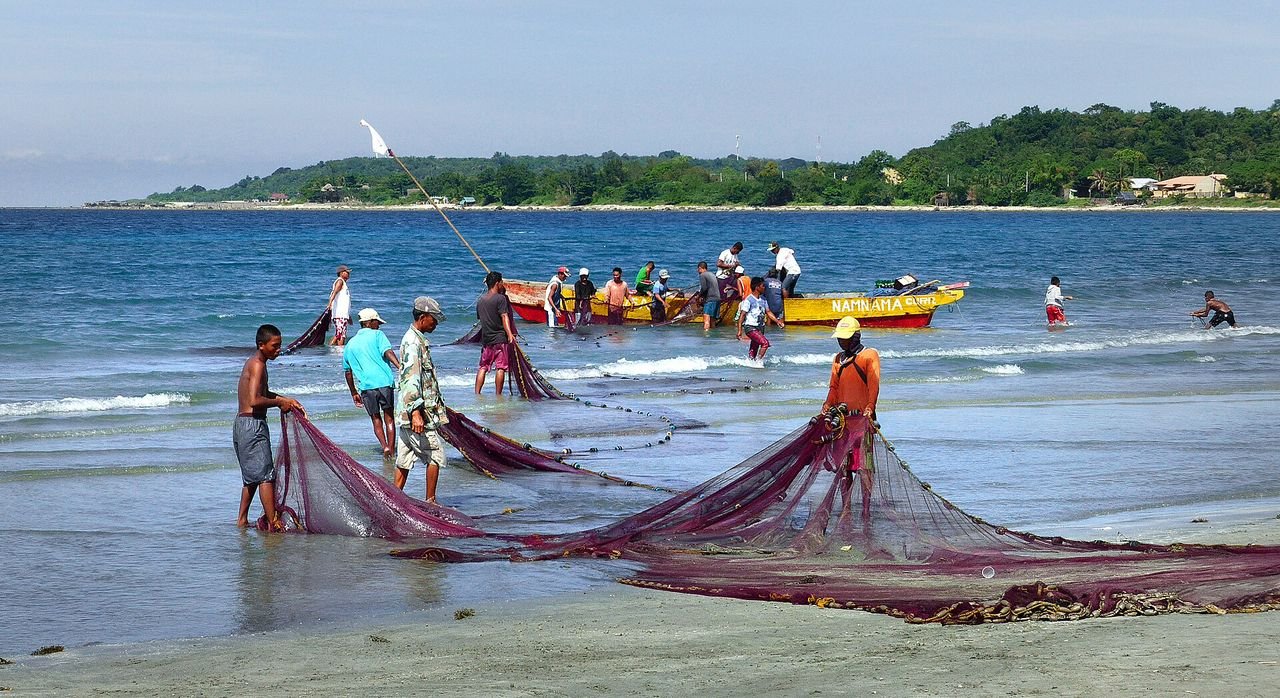
China has maintained coast guard control around the shoal since a 2012 standoff, limiting access for Filipino fishermen and turning one of the region’s richest fishing grounds into a persistent flashpoint
The anniversary has thrusted attention on a ruling widely seen as a legal breakthrough for the Philippines.
On July 12, 2016, an arbitral tribunal constituted under the U.N. Convention on the Law of the Sea unanimously found that Filipino fishermen, like Chinese fishermen, hold traditional fishing rights at Scarborough Shoal — and that China violated those rights by restricting access after seizing control of the area in 2012.
The tribunal also ruled that China’s sweeping “nine-dash line” claim to historic rights has no legal basis under the convention.
A tribunal-appointed navigation expert concluded that Chinese law-enforcement vessels violated international collision-avoidance rules during hazardous maneuvers near Philippine government ships in 2012. The tribunal later found those actions had created unlawful risks to Philippine vessels and personnel at Scarborough Shoal.
The tribunal stopped short of deciding sovereignty over the shoal or drawing a boundary between the Philippines and China. Instead, it focused on maritime rights under international law — a distinction that has left the territorial matter unsolved.
For many fishermen, however, the legal nuances mattered less than what they believed the ruling would mean in practice.
One fisherman named Empoc told Reuters that when he heard the Philippines had won in 2016, he felt hope for the freedom to fish again and a better livelihood.
Instead, the fishermen say the past decade has been marked by continued restrictions and uncertainty. They remain cautious about approaching the shoal, saying the legal victory has never translated into unrestricted access on the water.
In August 2025, the Philippine Coast Guard said a China Coast Guard vessel fired a water cannon at its ship, BRP Suluan, near Scarborough Shoal while it escorted Filipino fishing boats.
More recently, Philippine authorities also noted a floating platform inside the lagoon at Bajo de Masinloc had been removed after Manila lodged a diplomatic protest.
Tensions have continued to escalate since the anniversary.
In late June, four Chinese warships confronted a Philippine Navy frigate near the shoal in a rare naval standoff, the same day Manila wrapped up a three-month joint military exercise with the U.S., Japan, New Zealand and Australia.
In early August, China staged naval and air drills near the shoal involving bombers armed with anti-ship missiles, and for the first time confirmed that two of its coast guard officers died in last August’s collision with a Chinese navy ship during a chase of a Philippine vessel.
The U.S. State Department has since accused Beijing of using a newly declared ‘nature reserve’ at the shoal as a pretext to keep barring Filipino fishermen.
Officials from both countries held maritime talks in Beijing earlier this year.
China continues to reject the 2016 arbitration and does not recognize the tribunal’s jurisdiction. The Philippines, by contrast, says the award definitively established the limits of maritime entitlements under international law and remains the legal foundation of its position.
Marking the anniversary in Manila in July, President Marcos said the South China Sea must remain “a sea of peace, cooperation and connectivity.” He added that the ruling’s significance goes beyond legal principles because it “directly affects the lives of Filipino communities.”
For the fishermen who continue to work near Scarborough Shoal, the ruling has yet to change life on the water.