

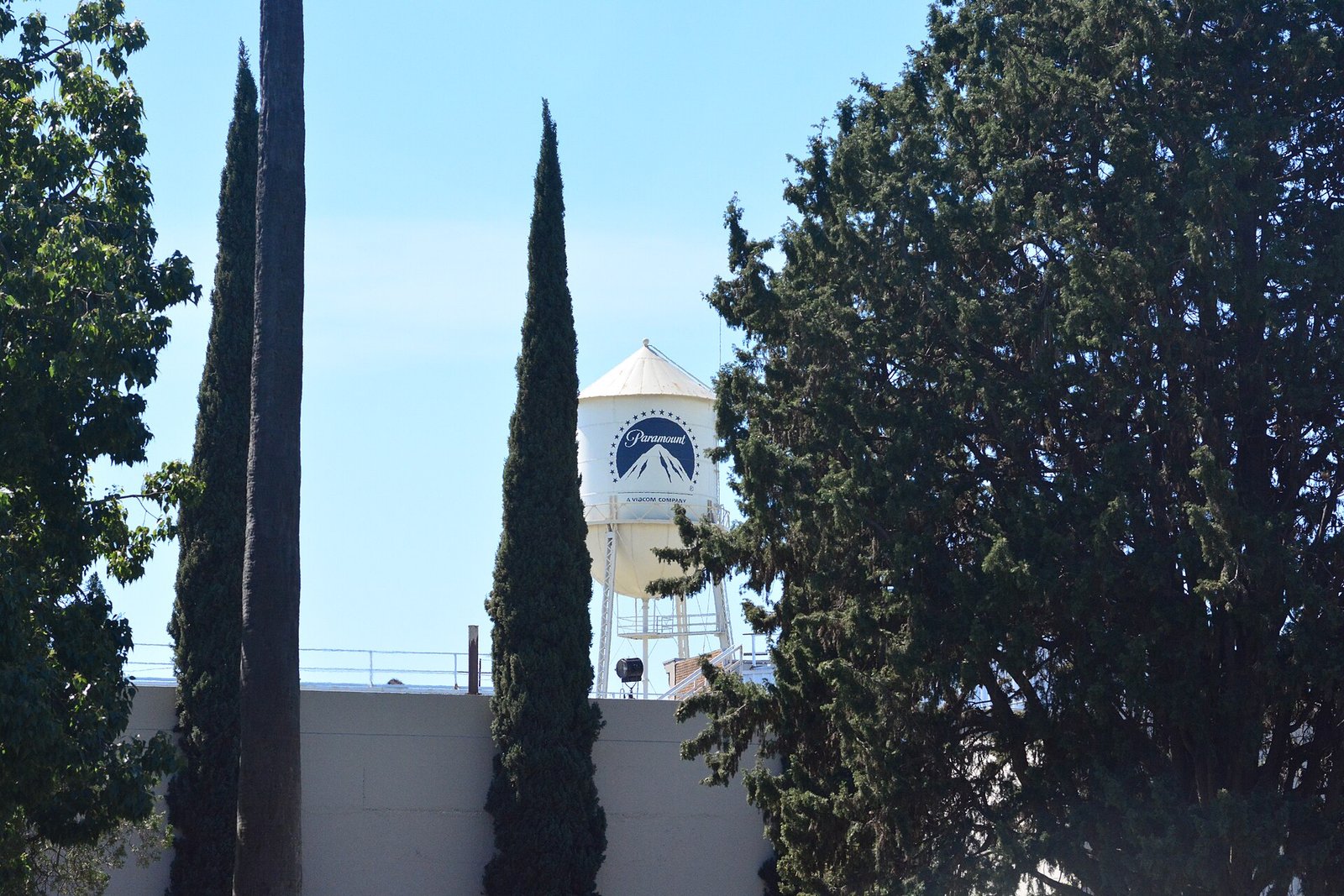
Paramount on Tuesday has completed its massive $81 billion acquisition of Warner Bros. Discovery, closing a deal that has seen over a year-long fight for Warner that creates a combined entertainment company called Skydance.
“Today is a historic day, not just for Skydance but for our entire industry,” Chairman and Chief Executive David Ellison said in a statement announcing the closing.
The acquisition, is by equity, one of the largest consolidations the industry has seen in a long while. With its film catalog stretching from “Top Gun” to “Harry Potter” and further more to “The Godfather,” and beyond.
With the two major Hollywood oldest and prominent studios coming together, they now have two streaming platforms, a broadcast network and a portfolio of cable and news channels that now sit inside a single company “Skydance”.
Valued at nearly $111 billion including assumed debt, the transaction puts Paramount Pictures and Warner Bros together., plus Paramount+ alongside HBO Max, and CBS News, CNN and TNT under one Leadership.
Skydance with the two media giants company sitting inside it now projects nearly $70 billion in annual revenue and carries about $80 billion in net debt.
The business, which operates in more than 200 countries and territories and has more than 200 million streaming subscribers, is now all in the hands of billionaire David Ellison with Ynon Kreiz who is now the new CEO.
Skydance shares began trading Tuesday on the New York Stock Exchange under the ticker SKYD.
The deal drew combustible legal battle and opposition from thousands of actors, including writers and directors and other industry professionals, who in April signed an open letter stating their “unequivocal opposition” to the deal, warning it would eliminate jobs and mean “less choice for audiences in the United States and around the world.” Hollywood had followed the Warner contest for months.
from petitions to award-shows, those remarks and objections always showed up.
At first, Warner Bros originally was looking at a different buyer. After saying it was open to selling all or part of its business, which during December last year it then agreed to sell its studio and streaming operations to Netflix. Paramount on the other hand during that period had said Warner Bros had not engaged meaningfully with its earlier proposals, that circumstance then pushed the Paramount to make a hostile bid for the entire company, including CNN and Discovery.
What followed was months of competing offers. Warner’s board at the time backed Netflix as its preferred buyer. Paramount pushed its price to $31 a share for all of Warner’s shareholders, that move lead Netflix to stepped aside, and the two companies signed a merger agreement in late February.
Paramount cleared antitrust reviews worldwide over the summer, including from the Justice Department.
Around July, a coalition of 12 Democratic attorneys general led by California’s Rob Bonta sued to block the merger; they also argued that the company being combined would “extinguish competition” and further reduce choices for theatergoers and cable customers. The Writers Guild of America filed a separate antitrust challenge.
Those two cases were settled in September, after a judge approved the agreements and dissolved orders that had barred closing the deal.
“Let me be clear: This settlement is not a vote of support for this merger.”
Bonta said in a statement back in July, making it clear that agreeing to settle the lawsuit did not mean he supported Paramount’s acquisition of Warner Bros. Discovery.
The main deal was with the states. Instead of just making voluntary promises, Paramount agreed to a five-year, court-enforced plan that makes it keep up domestic production, pay to support workers hit by the merger, and put new protections in place for its news operation.
In concrete terms, that means at least 30 theatrical releases a year, $1.5 billion in additional U.S. production spending above 2025 levels, a $47.5 million workforce fund, and a News Editorial Independence Board for CNN and CBS with an independent monitor.
A separate agreement resolved the Writers Guild of America challenge. The Guild said Paramount agreed to bar layoffs of writers at CBS News Broadcast for five years and to pay $17.5 million into its health fund, plus attorneys’ fees.
Money for the purchase raised a different regulatory question.
To be able to have enough money to complete the Warner buyout, Paramount went out of its way and looked for a backing from three Gulf countries — Saudi Arabia, Qatar and the United Arab Emirates. Those funds, in the company’s words, indirectly hold nearly 50% of equity in the new Skydance, although with no voting rights. The company asked for federal clearance for up to 100% to cover potential future investments.
The Federal Communications Commission granted the request. The commission said broader access to capital would strengthen the broadcast business and was therefore “in the public interest.”
Democratic commissioner Anna Gomez called the arrangement alarming and unprecedented. Her worry is that the sheer size of those countries investment might likely open the door to behind-the-scenes influence even without formal voting control.
CNN on the other hand has been adding a larger political dimension to the transaction with the Trump administration. Trump has regularly attacked the news outlet on and off, with a particular one in December last year, days after Paramount launched its hostile bid, when Trump said CNN spread “poison and lies” and that “it’s imperative that CNN be sold.”
Another wave of fake news allegation came when Trump banned the news outlet along with two other news outlets from the White House last month.
Ellison has said editorial independence will be maintained, and the state settlement now codifies an independence board. Mark Thompson remains CNN editor-in-chief.
With regulatory clearances secured, settlements approved and financing in place, Paramount and Warner Bros. Discovery now operate as one company.