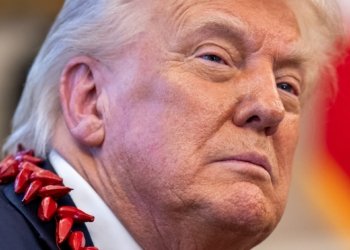

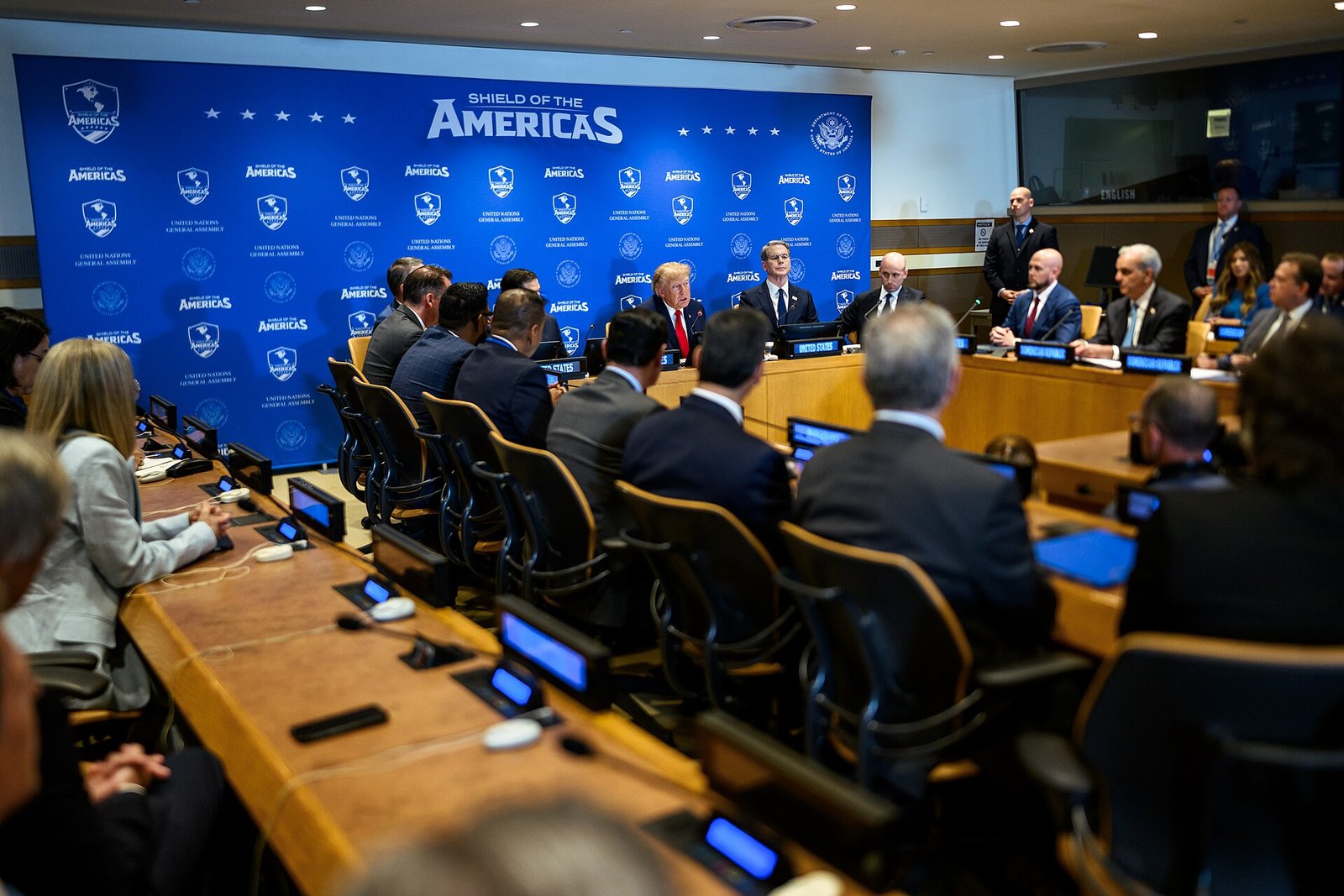
Less than 24 hours after the Trump administration went after Microsoft and six IT outsourcing firms on Thursday afternoon, the administration on Friday escalated its campaign by designating the International Criminal Court (ICC) itself as a sanctioned entity.
The measures block the court’s property and interests in property located in the United States or in the possession or control of U.S. persons, as the administration threatens to dismantle the court unless allied member states address Washington’s concerns.
“The Court will continue to fully discharge its mandate, with independence and impartiality, acting only on the basis of the law and the evidence, for the sake of the countless victims of grave crimes,” the ICC in a responsive statement said.
The world court protested that the Trump administration is attempting to obstruct justice, disrupt operations and intimidate people who work with the court.
Washington previously targeted individuals at the Court, not the institution itself. Back in September 2020, during Trump’s first term, Washington imposed asset freezes and travel bans on then-Prosecutor Fatou Bensouda and Phakiso Mochochoko over an investigation involving alleged U.S. actions in Afghanistan. During the Biden administration, those sanctions were revoked in April 2021..
President Donald Trump resumed his manhunt campaign on the court in February last year after he won his second term, in which he signed Executive Order 1420, and the State Department then imposed new sanctions on ICC personnel under that order.
“I commend President realDonaldTrump and SecRubio for taking this critical decision to sanction the ICC,” Prime Minister Benjamin Netanyahu said on X. “The ICC is not a court. It is a political body that poses a mortal threat to law abiding democracies worldwide and to the very idea of national sovereignty. Thank you for your leadership.”
180-day window is what the Trump administration has given the other States Parties to show meaningful progress on addressing the U.S. concerns.
“The United States and the American people are not subject to the jurisdiction of this fake ICC,” Secretary of State Marco Rubio said. “Either the ICC will end its threats or we will end the ICC.”
The sanctions are intended to restrict the ICC’s access to U.S.-linked financial services, technology and commercial dealings, but their effect on the court’s daily operations remains uncertain.
“Our work will continue across all our situations, our investigations and our prosecutions,” ICC Deputy Prosecutor Nazhat Shameem Khan told Reuters.
The order sets out the restrictions without establishing how they will affect the court in practice. The next key date is April 7, 2027, when Treasury’s authorization for certain wind-down transactions is due to expire.
U.S. Republicans and Democrats have long rejected ICC authority over Americans, arguing that the United States never joined the court. That is Rubio’s argument. He said the court has been seeking to prosecute service members, border agents and elected leaders, and U.S. allies.
The U.S. Treasury issued four general licenses alongside the designation to allow limited activity. The main license allows transactions that keep the court running or wind down operations through 12:01 a.m. Eastern on April 7, 2027. The other licenses cover telecommunications and enterprise software, pension payments and detainee-related activity.
“This is an attack on the very possibility of holding those responsible for the gravest crimes accountable under international law, no matter how powerful they may be,” the U.S. section of the global human rights movement Amnesty International said in a statement on X. “What is at stake is not only the future of the Court, but the future of international justice.”
The underlying dispute involves jurisdiction. The United States has always maintained that it never ratified the Rome Statute, so therefore Washington rejects ICC authority over U.S. citizens and personnel.
The administration also objects to ICC proceedings involving Israeli officials.
On Nov. 21, 2024, Pre-Trial Chamber I issued warrants for Prime Minister Benjamin Netanyahu and former Defense Minister Yoav Gallant. The warrants reflected pretrial findings of reasonable grounds to believe the officials had committed crimes; they were not final judgments.