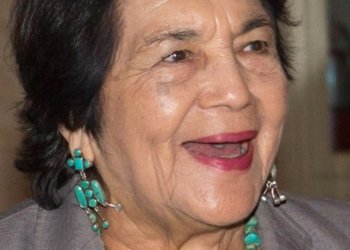

Christa Pike has been discharged from the hospital and returned to the Deborah K. Johnson Rehabilitation Center where she has been a prisoner for the past 30 years, following Tennessee’s failed attempt to execute her, her attorneys said. She remains under medical care at the prison.
🇺🇸 | Abogado de Christa Pike tras su ejecución fallida con dos inyecciones letales la noche del miércoles: "No solo ineficiente, fue cruel y tortuosa".
— Alerta News 24 (@AlertaNews24) October 1, 2026
Señala que ella ahora se encuentra en el hospital, "gravemente enferma pero no en coma". pic.twitter.com/Rj8t0hvqhP
“Carrying out a lawfully imposed sentence is among the State’s most serious responsibilities, and the people of Tennessee expect it to be done in a manner, that is not only legal and constitutional, but is effective,” Gov. Bill Lee said in a statement.
Pike’s release follows about a week in which she went from critical condition to conscious and speaking.
Gov. Bill Lee has since suspended the state’s remaining execution scheduled for 2026 and ordered an independent review of the lethal-injection process following the failed execution attempt.
The incident marked Tennessee’s first failed execution attempt involving a woman in more than 200 years. Had the execution been completed, Pike would have also become the first woman executed in Tennessee in more than two centuries.
Anthony Darrell Hines was the last male executed by lethal injection in Tennessee on August 13, 2026. He was convicted of the 1985 murder of Catherine Jean Jenkins.
The background of the story comes from Pike being sentenced to death for the 1995 killing of 19-year-old Colleen Slemmer in Knoxville. She has been held at the Johnson Center for more than three decades ever since.
Christa Gail Pike iba a ser la primera mujer ejecutada en Tennessee en 200 años, le aplicaron dos inyecciones letales y ella dijo "esto quema", luego empezo a roncar. Sobrevivio a ambas y la llevaron a un hospital.
— Poirot (@Argenpoirot) October 1, 2026
Hay otros métodos mejores…
Ni el infierno la quiere. pic.twitter.com/veLSWPZVZH
Pike’s recovery was unexpected. Her legal team had been told, after Pike had been rushed to the hospital following the failed execution, that she was brain-dead and that life support would be withdrawn the next day.
Attorney Randy Spivey described the situation an Oct. 7 press conference after a court hearing on preserving evidence. He said he was not in the hospital room and was relaying on what the medical team reported. Pike later regained consciousness after doctors have planned to remove life support
Pike was confused about her surroundings when she woke up and had no memory of the execution itself, speaking.
Following the circumstance, she suffered from pneumonia, a blood clot in one arm, and severe swelling in both arms and hands that left her unable to use them. She also remained unable to swallow or eat at the time.
Pike’s attorneys have since argued the unconsidered attempt problems they raised before the execution. “The execution protocol remains veiled in secrecy,” they said, citing how the state had difficulty locating usable veins, that veins failed during the process, that pentobarbital was degraded, and that there was no emergency medical plan if complications occurred.
The legal team has also accused the state, alleging it has not been transparent about its execution procedures.
On Oct. 3, at the governor’s request, the Tennessee Attorney General’s Office retained former U.S. Attorney Ed Stanton to lead the review. His mandate is to determine whether the state followed its lethal-injection protocol and whether changes are needed to keep it lawful and effective.
Stanton led an investigation In 2022, that found the Tennessee Department of Correction repeatedly failed to follow its lethal-injection protocol, including drug-testing requirements. The review led to changes in department leadership and revisions to the state’s protocol.
Pike’s four attorneys — Stephen Ferrell and Luke Ihnen of Federal Defender Services of Eastern Tennessee, along with Randy Spivey and Kelly Gleason of the Tennessee Office of the Post-Conviction Defender, in a joint statement said:
“She is grateful to the first responders and her medical team for their care in these extraordinary circumstances. She is continuing to receive medical care at the prison, and we will continue to track her recovery.”